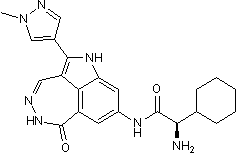
This is a possibility since ATP-competitive kinase inhibitors bind within a related ATP-binding pocket. Using a TSA screen, we identified 12 small molecules that significantly shifted the thermal stability of DDK. Several of these functioned comparatively to PHA-767491 in the assay: the Rho kinase inhibitor, the PKR inhibitor, and the Chk1 inhibitor. These compounds fall into different structural classes indicating that significant chemical space is available for new DDK inhibitor development. Interestingly, UCN-01, also a Chk1 inhibitor related to staurosporine, was also identified in our screen and showed a high affinity for DDK. This raises the possibility that more potent and selective derivatives of staurosporine might be designed against DDK. It also raises the possibility that reported biological effects due to Chk1 inhibition may be enhanced by the ability of SB218078 and/or UCN-01 to also inhibit DDK. Rockout is a pyridine-substituted indole derivative and so is somewhat related to PHA-767491. However, the position of the pyridine moiety on the indole ring of Rockout is quite different from the geometry of PHA-767491. The PKR inhibitor also falls into a distinct structural class from either PHA767491 or XL413. It was noteworthy that the PKR inhibitor blocked the growth of HCC1954 breast cancer cells, induced apoptosis, and inhibited DDK-mediated Mcm2 phosphorylation nearly as well as the lead DDK inhibitor PHA-767491. RNA-dependent protein kinase is ubiquitously expressed protein that blocks protein synthesis in response to a number of stresses and impacts both neurodegenerative diseases and cancer through its ability to promote apoptosis. The particular PKR inhibitor we used inhibited PKR with an IC50 of 210 nM but inhibited DDK with an IC50 of,70 nM in vitro, and so should be classified as a dual PKR/DDK inhibitor. Whether the PKR inhibitor induced apoptosis in HCC1954 cells due to inhibiting DDK activity, PKR activity or both remains to be determined. In summary, our
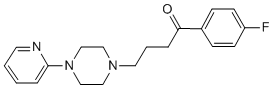
results highlight the cross-reactivity of several kinase inhibitors with DDK and also reveal an opportunity to develop more potent, biologically active DDK inhibitors for future evaluation. Proteolysis of key regulatory factors is an important control element of gene activity both in eukaryotic and prokaryotic cells. In bacteria degradation by ATP-dependent proteases, belonging to the AAA+ superfamily, participates in regulation of many developmental pathways: the heat shock response, starvation adaptation, DNA damage repair, capsular polysaccharide biosynthesis, sporulation and control of bacteriophage development. Specific adaptor proteins are known to modify the interaction of substrates with ATP-dependent proteases. However, there are only three known intracellular inhibitory polypeptides. The phage T4 PinA protein ASP1517 inhibits the Lon protease, and both the Bacillus species sporulation regulator SpoVM and the phage l CIII inhibit the FtsH protease. Both FtsH inhibitors, SpoVM and CIII, were predicted to form amphipathic a helices and are degraded by FtsH. The FtsH protease is the only essential ATP-dependent protease in E. coli.. It is a membrane-bound homohexamer enzyme made of three major domains: a trans-membrane domain, an ATPase domain and a protease domain. FtsH is complexed with HflKC forming an FtsH6-HflKC6 holoenzyme, which is present in the cell in less than 100 copies. FtsH degrades membrane proteins and a number of LY2157299 cytoplasmic proteins such as LpxC, s32, SsrA-tagged proteins and the bacteriophage lCII and CIII proteins. Degradation of LpxC by FtsH is required for Escherichia coli viability, as the levels of LpxC are essential for maintaining the balance in the synthesis of phospholipids and lipopolysaccarides. Bacteriophage l infection may activate either the lytic or the lysogenic developmental pathway. In l infection, physiological conditions as low temperature, starvation of the cells and high multiplicity of infection are known to favor lysogeny. A few phage functions are specifically required for the lysogenic response.
This synergy occurs both in the absence as well as the presence of stroma or stromal-derived cytokines
Resistance to TKIs in leukemia patients presents a significant clinical challenge. As small numbers of leukemia cells have been observed to persist in the bone marrow of TKI-treated patients, despite rapid and ALK5 Inhibitor II ALK inhibitor dramatic clearance of peripheral blood blasts, there is growing interest in determining the role of the bone marrow microenvironment in the long-term survival of leukemic stem cells. Indeed, the number of existing leukemic stem cells that exhibit high survival ability on bone marrow stromal layers has proven to be a significant prognostic indicator. Of relevance, we have found that media conditioned by human HS-5 stromal cells, as well as a cocktail of cytokines secreted in high concentrations by HS-5 stroma, were able to partially protect TKItreated chronic myeloid leukemia cells and AML cells. A subset of AML cells expresses a mutated form of the class III receptor tyrosine kinase FLT3, which has inspired the development of a number of small molecule inhibitors of mutant FLT3. However, FLT3 inhibitors tested thus far, including PKC412, which is in late stage clinical trials, and the highly potent and selective FLT3 inhibitor, AC220, which is in early phase clinical trials, generally at best induce partial and transient clinical responses in patients when used alone. In addition, we have found that bone marrow-derived stroma diminishes the activity of both PKC412 and AC220. There is thus a need for identification and development of novel therapies that can be effectively combined with TKIs to delay or suppress leukemia progression, override stroma-associated drug resistance, and increase patient survival. We have recently identified the multi-targeted kinase inhibitor, dasatinib, and dasatinib-like compounds as being able to potentiate the activity of TKIs PKC412 and AC220 against mutant FLT3-expressing cells cultured in the presence of cytoprotective and cytokine-abundant stromal-conditioned media by performing a combinatorial
drug screen using the KIN001 library. Our study also highlighted the potential of Jak inhibitors to synergize with PKC412 and AC220 as well as enhance their apoptotic activity against mutant FLT3-expressing cells cultured in the presence of SCM. While the significance of stromal-derived growth factors in viability enhancement and cytoprotection of leukemic stem cells cannot be denied, not all hematologic malignancies can be rescued from programmed cell death by secreted cytokines in the absence of direct communication with the stromal cells themselves. As examples, protection of AML cells and B-lineage ALL cells from spontaneous and/or drug-induced apoptosis was observed to depend on direct bone marrow fibroblast cell:leukemic cell interaction. Similarly, protection of CLL cells from apoptosis depends on adherence of these cells to bone marrow stromal layers, and adhesion between bone marrow stroma and myeloma cells is necessary for protection of these cells from drug-induced apoptosis. Thus, the direct interaction between stromal cells and leukemic cells is important to fully GSK212 understand the mechanisms driving stromal-mediated chemoresistance, as well as for identification of integral signaling molecules as potential therapeutic targets for overriding drug resistance. To address this, we used an adherent stroma-based co-culture system, as opposed to the SCM-based system used previously, as the basis for a combinatorial drug screen designed to identify novel kinase inhibitors able to potentiate the apoptosis-inducing effects of PKC412 against adherent stroma-protected mutant FLT3positive cells. In parallel to the KIN001 kinase inhibitor library, we also screened the LINCS kinase inhibitor library, which is composed of inhibitors characterized as being relatively potent and selective toward a limited range of kinase targets. Here, we identified selective Akt inhibitors, such as MK2206, as able to effectively combine with FLT3 inhibitors, including PKC412 and AC220, against mutant FLT3-expressing cell lines or primary AML cells cultured in a cytoprotective stromal environment.
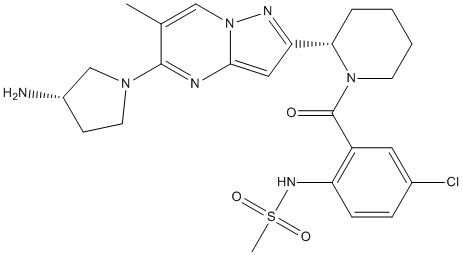
Uptake mechanism that can prevent a sudden decrease in intracellular TKI concentration
Indeed, recently it has been demonstrated that OCT-1 mediates cellular influx of imatinib, and that transporter activity correlates with efficacy. On the other hand, it has been shown that OCT-1 has less impact on cellular influx of dasatinib and nilotinib. Therefore, we believe that additional drug-transporter proteins contribute to TH-302 intracellular accumulation of TKIs. However, the data presented here is consistent with a model where intracellular accumulation and Life Science Reagents retention of TKIs in vivo also translates into significantly higher intracellular TKI concentrations as compared to the extracellular medium. It is conceivable that in the setting of high-dose pulse therapy this may then result in prolonged intracellular TKI exposure significantly exceeding plasma halflife of a given TKI. In conclusion, we show that dramatic intracellular TKI accumulation and retention result in prolonged target inhibition which appears to be the sole underlying molecular mechanism in HD-TKI pulse-exposure mediated induction of apoptosis in vitro. Moreover, the data illustrate that potent but transient kinase inhibition per se is not sufficient to irreversibly commit oncogene transformed cells to apoptosis. As we have observed intracellular TKI accumulation and retention in other oncogenic
kinase models such as FLT3-ITD and JAK2V617F, the mechanism described here may indicate a general pharmacokinetic feature of TKIs. However, this point clearly requires further investigation. Based on our data presented here, monitoring both, plasma and intracellular drug levels of imatinib and dasatinib in vivo will provide pharmacokinetic data which may prove useful to optimize dosing schedules in upcoming clinical trials. We speculate that either the design of inhibitors that accumulate and are retained in target cells or, alternatively, co-administration of drugs which result in intracellular enrichment of specific TKIs may improve TKI therapy in the future. PLP is a reactive compound because the 49-aldehyde forms aldimines with a-amines of amino acids and other compounds containing amino groups, the e-amino group of lysine residues on non-B6 proteins, and thiazolidine adducts with sulfhydryl groups like cysteine. PL, which also contains the 49-aldehyde moiety is much less reactive than PLP, since its aldehyde group, in aqueous solution and at neutral pH, exists mostly in the hydrated form. This reactivity of PLP poses two problems for the cell. First, to keep the cellular level of free PLP low so that it does not react with other nucleophiles, especially non B6-enzymes, and second, to supply enough PLP for the dozens of newly synthesized apo-B6 enzymes to form catalytically active holo-B6 enzymes. Some have proposed that the level of PLP is regulated and kept low by being an effective feedback inhibitor of both PL kinase and PNP oxidase. We report here on properties of E. coli PL kinase showing that PLP serves as a slow tight binding inhibitor of the enzyme. The structure of PL kinase has been determined from several sources. In E. coli there are two PL kinases referred to as PL kinase1 and PL kinase2. The activity of PL kinase2 is very low and there is a question if its function in the cell is to convert PL to PLP or if it is the enzyme for another unknown reaction. We have determined the structure and properties of both E. coli enzymes. This study reports on the properties of only E. coli PL kinase1 and we refer to it as ePL kinase. During our kinetic measurements, we observed that the enzyme rapidly loses activity as it catalyzes the conversion of PL and ATP into PLP and ADP. The reason for this inhibition is the subject of this report.
Clinical management of these second most common type of skeletal malignancies after osteosarcoma has remained
It cannot be excluded that the interaction of PCI with the catalytically active light chain of EP is influenced by membrane anchoring of EP. However, the huge heavy chain lies in between the active center and the plasma membrane. This could hinder potential phospholipid-bridging of PCI and the light chain of EP. It is therefore not very likely that phospholipids involved in anchoring of EP could represent a bridge for bringing together PCI and EP. Several publications have shown that PCI mRNA is highly expressed in the pancreas, particularly
in the exocrine part. We could show by Western blotting that PCI protein is present in human pancreas lysate. However, we were not able to show its presence in the exocrine part by immunohistochemistry on paraffin-embedded tissue sections. Activation of SJN 2511 trypsinogen is a crucial step in the pathogenesis of necrotizing pancreatitis. So far, it is not fully understood how trypsinogen is activated prematurely within the pancreas. Some authors believe that this activation might origin from reflux of EPcontaining duodenal fluid into the pancreatic duct. Though, this theory remains controversial and it is not clear if duodenopancreatic reflux occurs in vivo and, if it does, whether it is really able to damage the pancreas profoundly. However, if duodenopancreatic reflux occurs under some circumstances, inhibition of EP by PCI might have a protective effect. In addition, PCI could protect the pancreas from autodigestion by inhibiting trypsin and chymotrypsin. Polymorphisms of PSTI are associated with a higher incidence of pancreatitis, suggesting that this inhibitor may have a protective effect against this disease. Polymorphisms of PCI have been investigated with respect to male fertility. Further studies are needed to address the question if polymorphisms of PCI might also be associated with pancreatitis. PCI has also been identified in the epidermis, with increasing amounts in its more superficial layers. Desquamation of keratinocytes is controlled by several proteases and their inhibitors. An imbalance between them can lead to inflammatory skin diseases such as psoriasis. Since both, EP and PCI, are expressed in the upper epidermis, the interaction of EP and PCI might also be involved in the regulation of epidermal differentiation. The SI value of the PCI/EP-interaction is rather high, especially in the presence of heparin, suggesting that a significant amount of PCI is cleaved/inactivated by EP. The biological consequences of the PCI/EP-interaction may depend on the local : ratio. At a high : ratio, the inhibition of EP would be nearly complete leading to impaired activation of trypsinogen. Additionally, some active PCI would still be available to inhibit trypsin directly, further reducing its activity. At a low : ratio, the available PCI would not be sufficient to completely inhibit EP. Remaining active EP would still be able to SP600125 JNK inhibitor activate trypsinogen and to cleave PCI. For the digestive system, this could mean that in the pancreatic duct, any possibly present EP could be efficiently inhibited by PCI. In the duodenum, where EP is abundantly present, PCI would have only a minor effect on EP activity and would not significantly interfere with the activation of digestive proteases. In the epidermis, where EP is mainly localized in the superficial layers, any EP present in more basal layers would be efficiently inhibited by excess PCI. In more superficial layers, EP would be able to activate trypsinogen in significant amounts, so it can contribute to the desquamation process. Chondrosarcomas constitute a heterogeneous group of neoplasms accounting for 20% of bone malignancies, that have in common the production of cartilage-like matrix by the tumor cells.
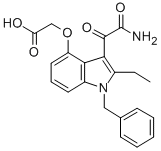
We recognized that MRLB-11055 had modest selectivity for signaling induced by EPO/JAK2 over signaling
Several mouse models of PV have been described that employ bone marrow transplantation of JAK2V617F to generate a phenotype that bears many of the hallmarks of disease. In all of these models, there is not only an expansion of erythrocytes, but also an expansion of the erythroid progenitor cells, which are their EPO receptor-expressing predecessors. PV patients are known to suffer from an increase in these cells, which appear as endogenous erythroid colonies in ex-vivo soft agar assays. In order to evaluate not only the effectiveness of an inhibitor but the optimal dose and NVP-BEZ235 schedule of that inhibitor, we reasoned that this progenitor population was the most likely candidate for the direct target tissue for the drug, and hence a key readout. Erythrocytes, as descendants of these cells, are indirectly targeted and with an inherent latency due to their lengthy half-life. Monitoring erythroid progenitors, however, is not readily achieved, and presents a challenge for assessment of optimal treatment time and holiday when developing a dosing schedule. For these reasons, we developed a JAK2V617F-Luciferase model system that allows realtime imaging of mutant expressing cell populations, which includes the erythroid progenitor population. A key consideration in the use of this model was the most appropriate stage in the progression of disease for introduction of the JAK2 inhibitor. We chose to administer the inhibitor to the mice at end of the 3rd week postBMT, at which time they were mildly polycythemic, with hematocrit levels actively rising. This state most
closely models the clinical condition of PV patients, who are not allowed to achieve plateau levels of Hct in normal care, and exist in a state of rising hematocrit between phlebotomy treatments. Under these conditions MRLB-11055 was observed to dramatically reduce the level of both erythroid progenitor cells and BLI in the spleen within a 3 day treatment period. While the exact mechanism of this reduction is not known, it is consistent with the rapid and robust induction of apoptosis in BaF3 cells dependent on JAK2V617F in vitro. When MRLB-11055 was removed, V617Fexpressing cells immediately began to Vorinostat abmole re-expand, consistent with the previous observation that the JAK2 mutation penetrates into the hematopoeitic stem cell population in these mice. Based on these observed kinetics of reduction and re-expansion, we were able to devise a multi-cycle intermittent dosing scheme aimed at normalizing progenitor populations. Application of this scheme not only prevented further rise of hematocrit in these mice, but actually decreased hematocrit to a level below the normal range. These decreases occurred even during the drug holiday period, clearly demonstrating that JAK inhibition need not be continuous to result in significant efficacy, and that hematocrit levels can be effectively managed by dosing schemes aimed at normalizing erythroid progenitor populations. JAK inhibitors have been described to have potent effects on lymphocyte subpopulations, prompting us to examine these lineages more closely. MRLB-11055 did indeed reduce T, B and NK cell fractions in the spleens of normal C57BL/6 mice when administered continuously at high doses. However, these reductions were significantly alleviated when MRLB-11055 was given intermittently according to the efficacious dosing schedule in the JAK2V617F-Luciferase mouse model. As immune function depends on the presence of these lymphoid cells, this data suggests that intermittent dosing could minimize immunodeficiencies induced by treatment with a JAK2 inhibitor.