ARC expression leads to decreased TGF-b activity. Last, SPARC may activate nuclear localization of b-catenin and integrin-linked kinase. The activation of b-catenin in fibroblasts promotes stabilization of the myofibroblast phenotype and an anti-apoptotic phenotype, while the activation of ILK leads to ROS production, one of the causative Folic acid factors of recurrent epithelial damage in fibrotic lungs. Several mouse models have 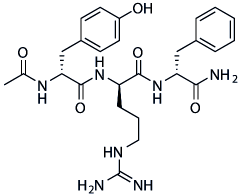 confirmed that SPARC is affiliated with pulmonary fibrosis. Savani et al. used bleomycin sulfate infused intra-tracheally at 0.15 U/mouse to cause a fibrotic response in WT and SPARC-null mice. The outcome revealed that SPARC-null mice had increased tissue destruction and increased inflammatory cell recruitment, specifically neutrophils, in comparison to bleomycin-treated WT mice. These findings were consistent with Sangaletti’s study. The reasons behind the outcome are not Pancuronium dibromide readily apparent, but SPARC could be produced by both bone marrow-derived and lung fibroblasts, and different sources might play a different role. Sangaletti used bone marrow chimeric mice and found that expression of SPARC in pulmonary fibroblasts promoted collagen deposition, while the expression of SPARC in bone marrow cells impeded inflammatory infiltrates. This elaborate study demonstrated the intricate association between fibrosis and inflammation. It is well known that genetic and environmental factors are involved in the development of CWP. To our knowledge, this is the first evaluation of the association between functional SNPs in SPARC and pneumoconiosis susceptibility in a Chinese population. Statistical analyses identified three SNPs that were significantly associated with pneumoconiosis. In addition, the rs1059279 was not included in 1000 Genome database when we search for LD in SNP selection process. However, we found rs1059279 was in high linkage disequilibrium with rs1053411 using our own genotyped data. Furthermore, stratification analyses were applied and hinted that each of these three SNPs significantly increased CWP risk of individuals with 0-20 pack-years smoking. Furthermore, we speculate on the function of three SNPs: rs1053411 might affect the miRNA-LOSS of hsa-miR-4311, while rs1059829 might affect the miRNA-LOSS of hsa-miR-541-5p, which could well be involved in the regulation of mRNA production and stability. Moreover, rs1059829 was a locus of expression for Quantitative Trait Loci and Transcription Factor Binding Site, thus could affect transcription activity and even consequently predispose individuals to excessive fibrogenesis. The relevant TFBS include Nfkb1, Interferon regulatory factor 4, B-cell CLL/lymphoma 3, and so on, all of which have innumerable links to the molecular mechanisms that result in the transcriptional activation of genes responsible for the fibrotic process. These findings set new insights into the role of SPARC in the pathogenesis of pneumoconiosis. Several limitations of this study should be addressed. First, the possibility of selection bias of subjects could not be ruled out in this population-based, case-control study. Second, our sample size was only moderate, further studies are required to replicate our results in larger and more diverse ethnic populations. Third, since five SNPs were tested, one might apply an appropriate multiple testing correction, such as the Bonferroni correction, otherwise the significant association between these three SNPs and CWP risk should be interpreted with caution.
Functional SPARC SNPs are associated with an increased risk of CWP in a Chinese population
Leave a reply
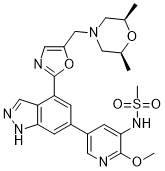 that the majority of the hMSCs in the MMP-sensitive hydrogels had already moved down along the chondrogenic differentiation pathway before they started to spread in the hydrogels. Therefore, the cell spreading had little effect on these fully differentiated hMSCs. Further examination on the effect of cytoskeletal structure and cell shape on chondrogenic phenotype of the differentiated stem cells is needed. A limitation of this study is that the two bifunctional crosslinkers used, namely, the MMP-cleavable peptide and DTT, are of different length and chemical structures. Therefore, even though the two groups of hydrogels exhibited
 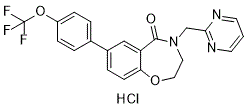 chondrogenesis than the rounded hMSCs in the control group.
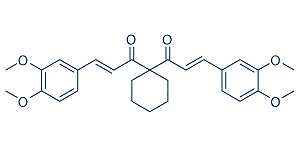 predictor for SVR in treatment of CHC with peg-IFN plus ribavirin. With this aspect in mind, we examined the host genotypes associated with different IFN responses. In patients with RVR, CC genotypes at rs12979860 were present in 77% of the patients whereas the unfavourable CT was present in only 23% of the individuals. Interestingly, none of the patients achieving RVR
  in different population groups. Differences in treatment outcome with respect to antiviral treatment have led the researchers in the present study to ascertain the frequency of IL28B host genotype within different population groups in eastern and north eastern India. The Indian population is ethnically heterogeneous; therefore, genetic variability is expected. Not much data are available about the frequency of host genotype rs12979860 or rs8099917 in India, a study conducted by Sivaprasad et al, amongst south Indian population demonstrated that the proportion of CC allele was higher than the proportion of CT, TT at rs12979860 alleles in the south Indian population, but the study concentrated only on the proportion of the host alleles amongst the healthy individuals. Our study on the other hand analyzed both the healthy individuals as well as HCV infected individuals, to get a clear picture of the genetic disposition of the host genotypes. In this study, analysis of healthy individuals showed that our data is in concordance with the data obtained by Sivaprasad et albut the percentage of favourable CC allele at rs12979860 locus was higher at 73% in contrast to 59.09%. Additionally, our study analyzed the host genetic disposition at both rs12979860 and rs8099917 amongst healthy individuals which was not done elsewhere. The association between IL28B polymorphism and the progression of liver fibrosis is still controversial, as the possible underlying mechanisms are still unknown to us. Within our study population, viral genotype 3 was found to be most widely circulated strain; HCV genotype 3 is reportedly associated with steatosis and rapid progression to HCC. Due to its association with steatosis, we have studied the proportion of IL28B genotypes in HCV infected patients in different stages of advanced liver diseases. We observed that the percentage of unfavourable CT and TG allele were more in these patients as compared to favourable CC and TT allele at rs12979860 and rs8099917 respectively. Several reports indicate strong association between IL28B polymorphism and SVR; the mechanisms are still not properly understood.